Neurological Qabalah
The Tree of Life in Brain and Body
The Volume
Published · 8 × 10 in paperback and ebook
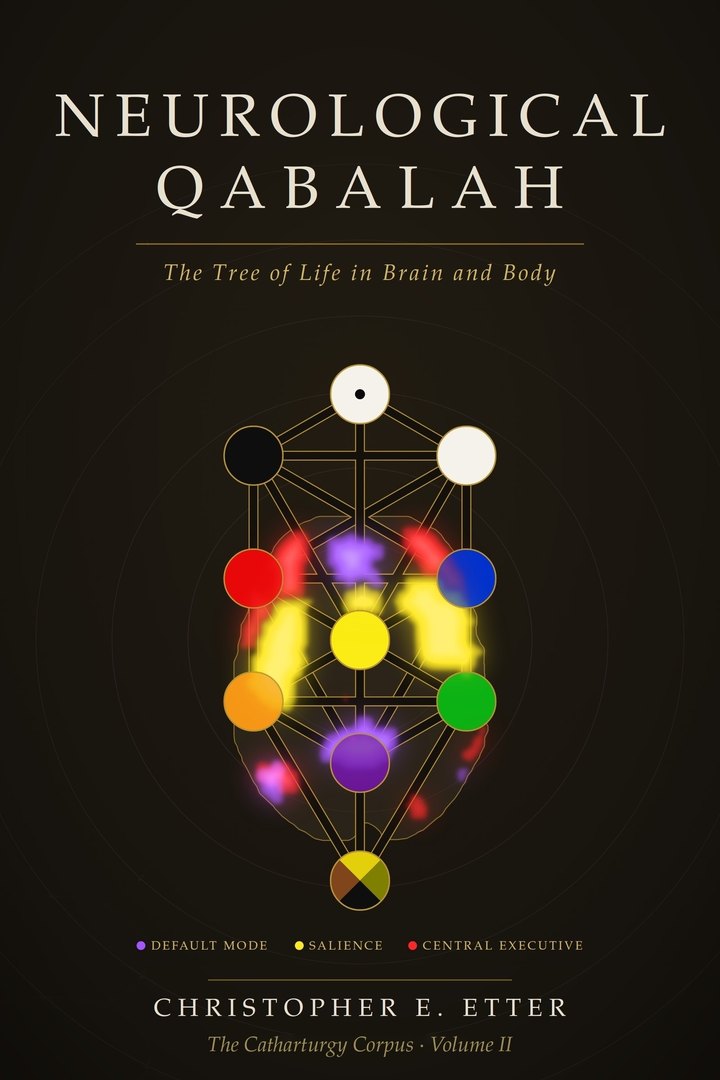
- Volume
- II of the Catharturgy Corpus
- Subtitle
- The Tree of Life in Brain and Body
- Length
- 555 pages · 47 chapters · 6 parts
- Plates
- 9
- Format
- 8 × 10 in · print, EPUB, and Word
- Author
- Christopher E. Etter
The Tree of Life has been drawn for centuries as a map of the soul. Neurological Qabalah, the second volume of the Catharturgy Corpus, asks whether it is also a map of the brain, and answers with the measured anatomy of the nervous system.
The book reads the ten stations and their paths against the brain's networks and regions: the two outer pillars as the brain's lateral divisions, the Middle Pillar as its midline, and the three great networks of attention, salience and rest as the living traffic of the Tree. It reads the human soul, in its classical Hebrew registers, as a structure the brain can be shown to carry; sets the perpendicular axes of the body beside the projection hypothesis and the two axes of the Tree; and descends the Tree station by station through the intelligences of the Sefer Yetzirah, then along its paths and the tracts that carry them.
From the whole brain it turns to the heavens and to the living soul. The seven planets and the twelve signs are read as modes of the mind and the court of its functions. The last part follows the soul into the nervous system: the three kingdoms of the autonomic soul, the forebrain's reward pathway beneath the Tree, the vestibular pairs that hold the body upright, the five movements from pain to forgiveness, the dialogic self, the tag by which the mind tells what it imagined from what it met, and the governance of the will.
Its six parts are The Core Architecture; The Sefer Yetzirah Intelligences, Descending the Tree; The Paths and Their Tracts; The Whole Brain; The Heavens; and Soul and Brain. The book presents its neuroscience as correspondence and grades every claim; it is not clinical guidance.
The Breakdown
the parts of the volume, with their chapters and pages
| Part | Title | Chapters | Pages |
|---|---|---|---|
| Part I | The Core Architecture | 1–10 | 1–188 |
| Part II | The Sefer Yetzirah Intelligences, Descending the Tree | 11–20 | 189–276 |
| Part III | The Paths and Their Tracts | 21–25 | 277–348 |
| Part IV | The Whole Brain | 26–27 | 349–378 |
| Part V | The Heavens | 28–34 | 379–436 |
| Part VI | Soul and Brain | 35–47 | 437–532 |
The Plates
the 9 plates of the volume
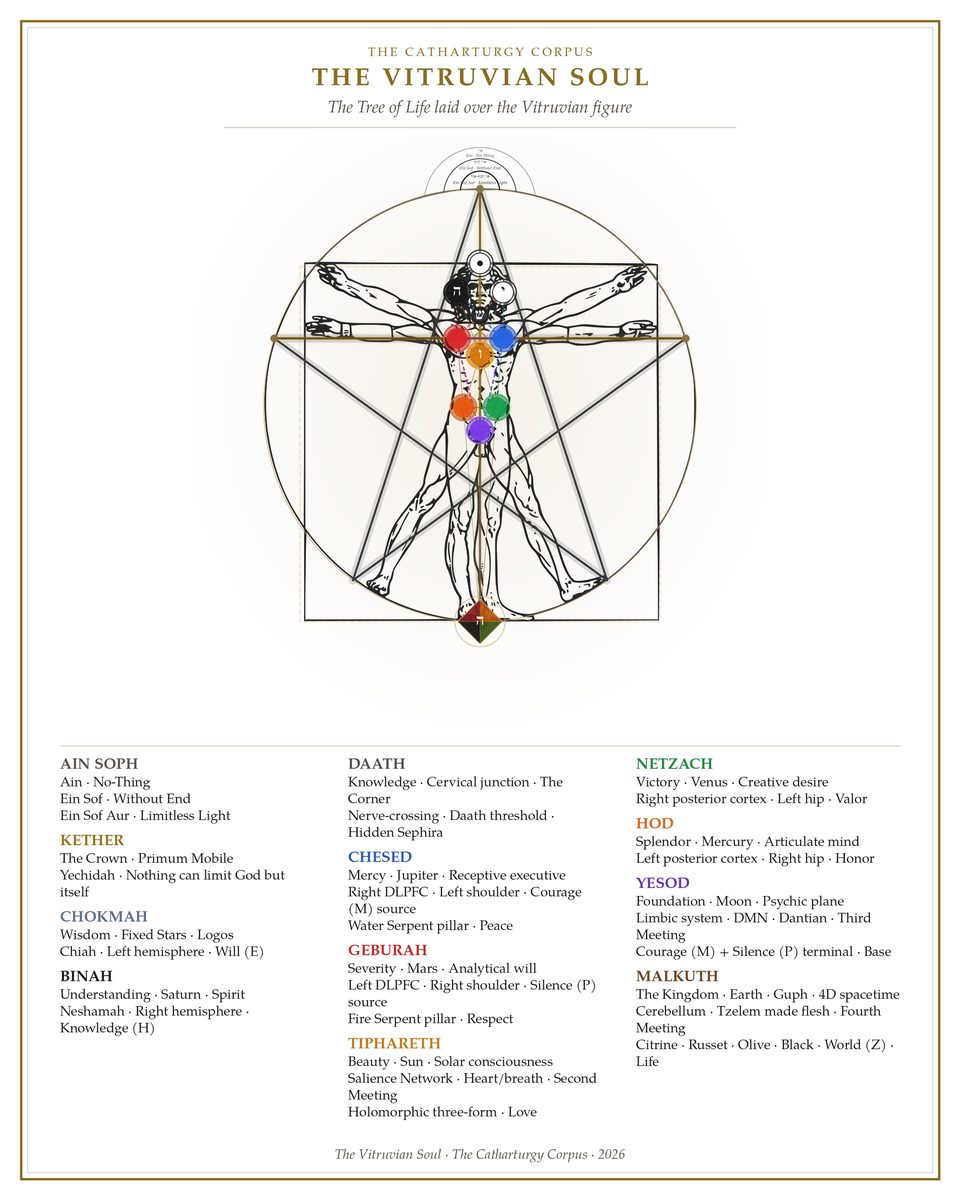
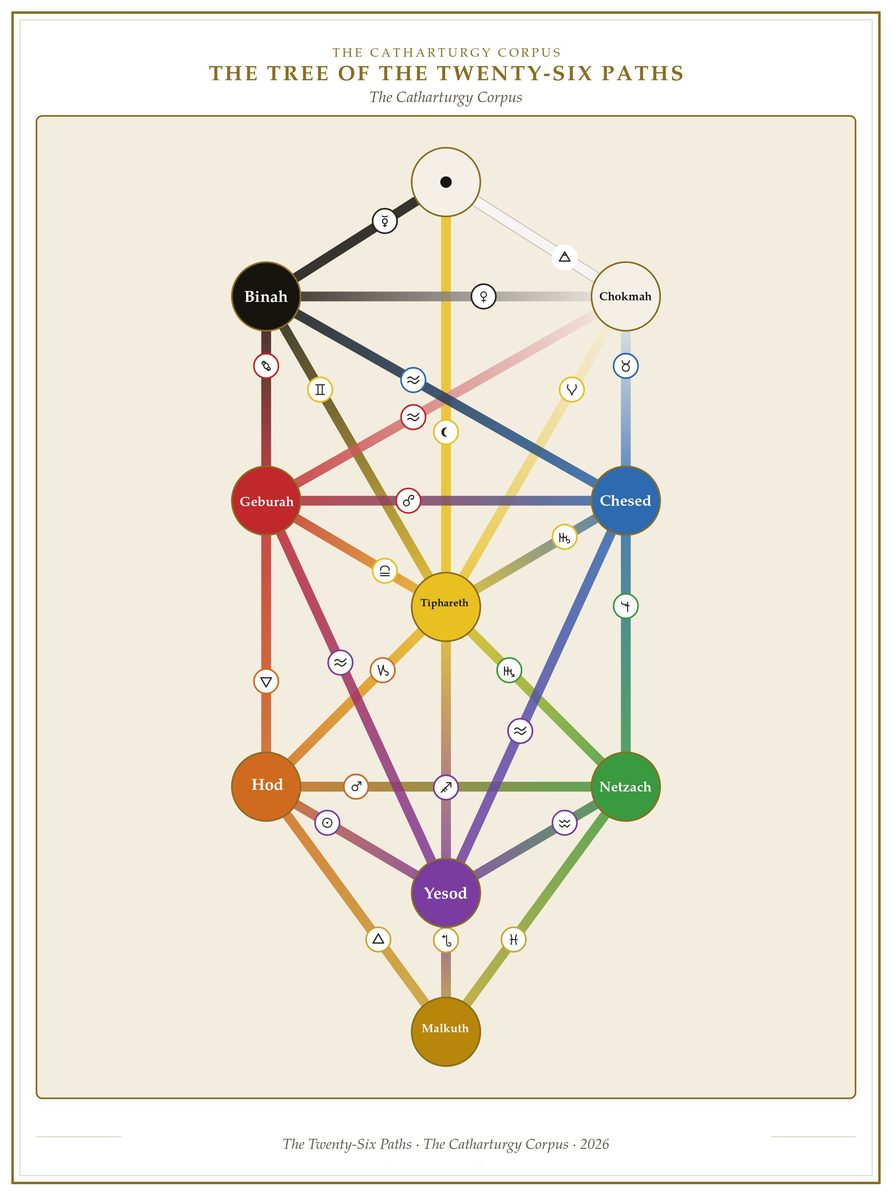
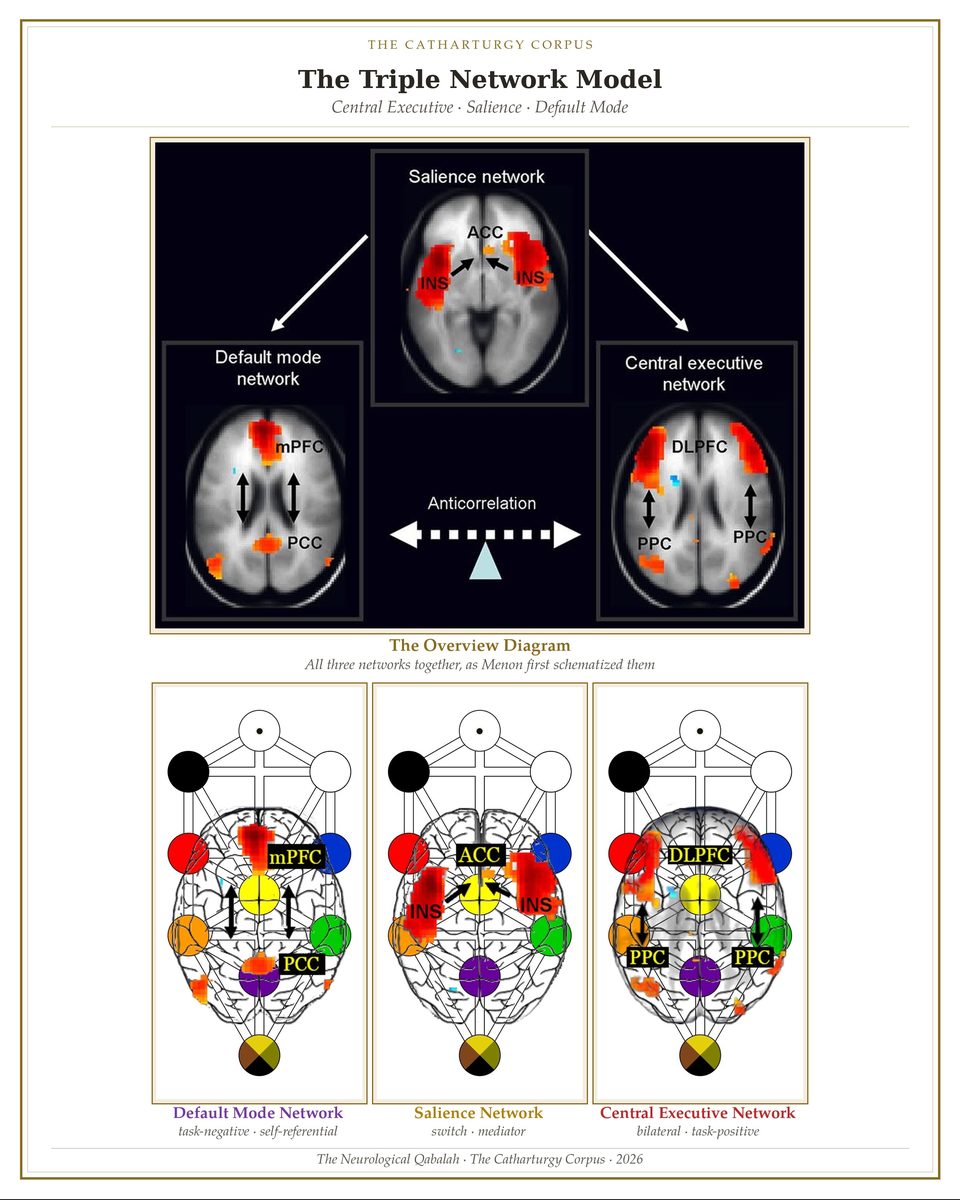
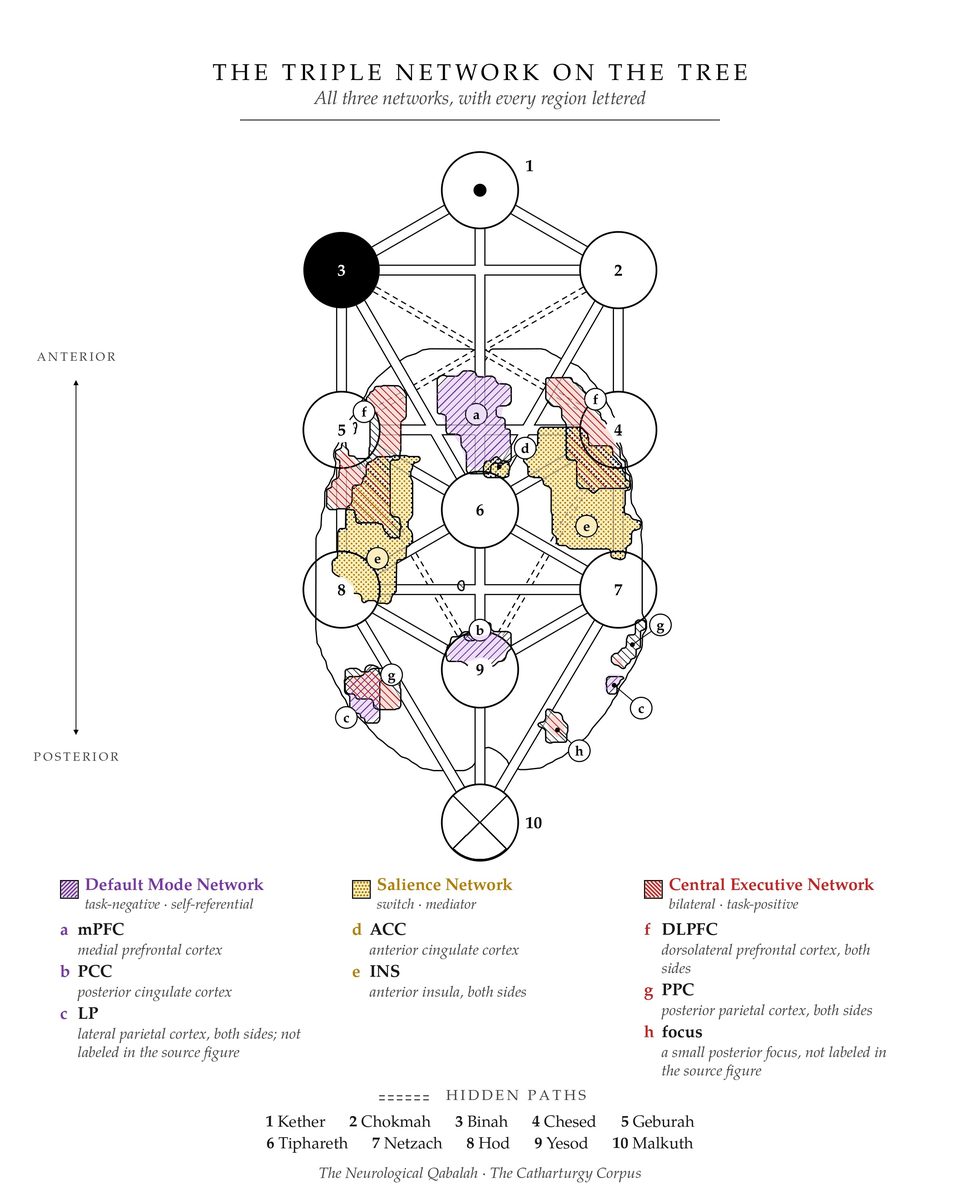
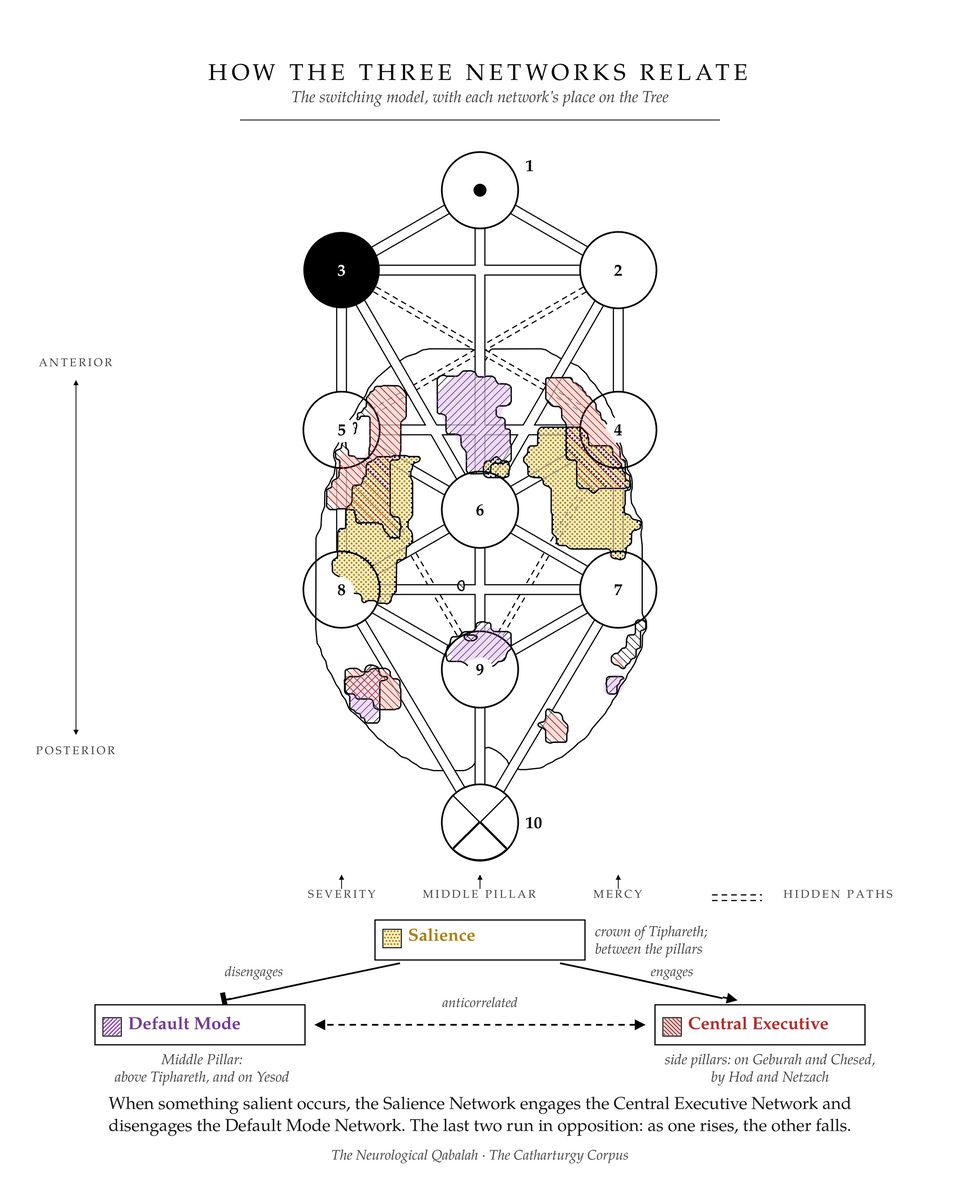
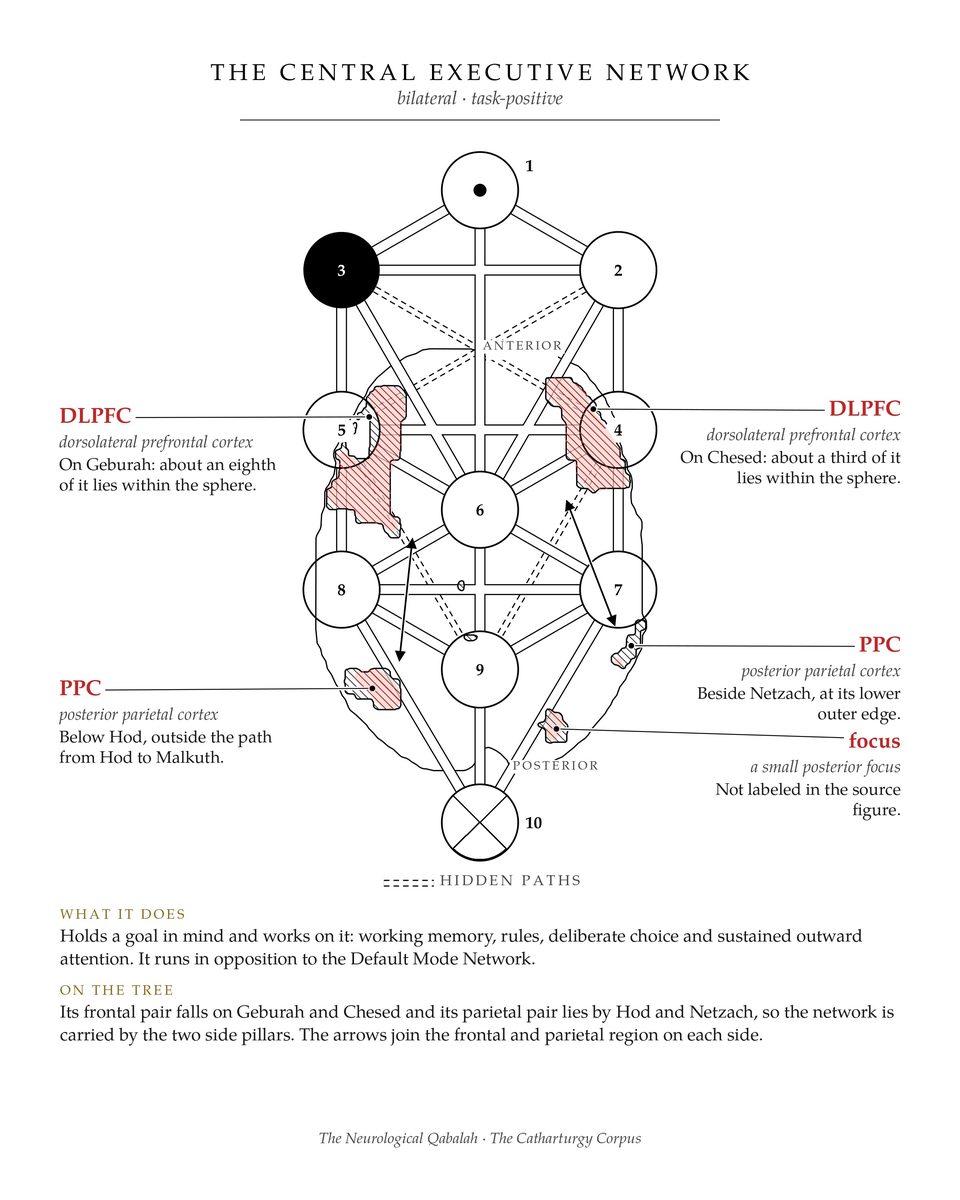
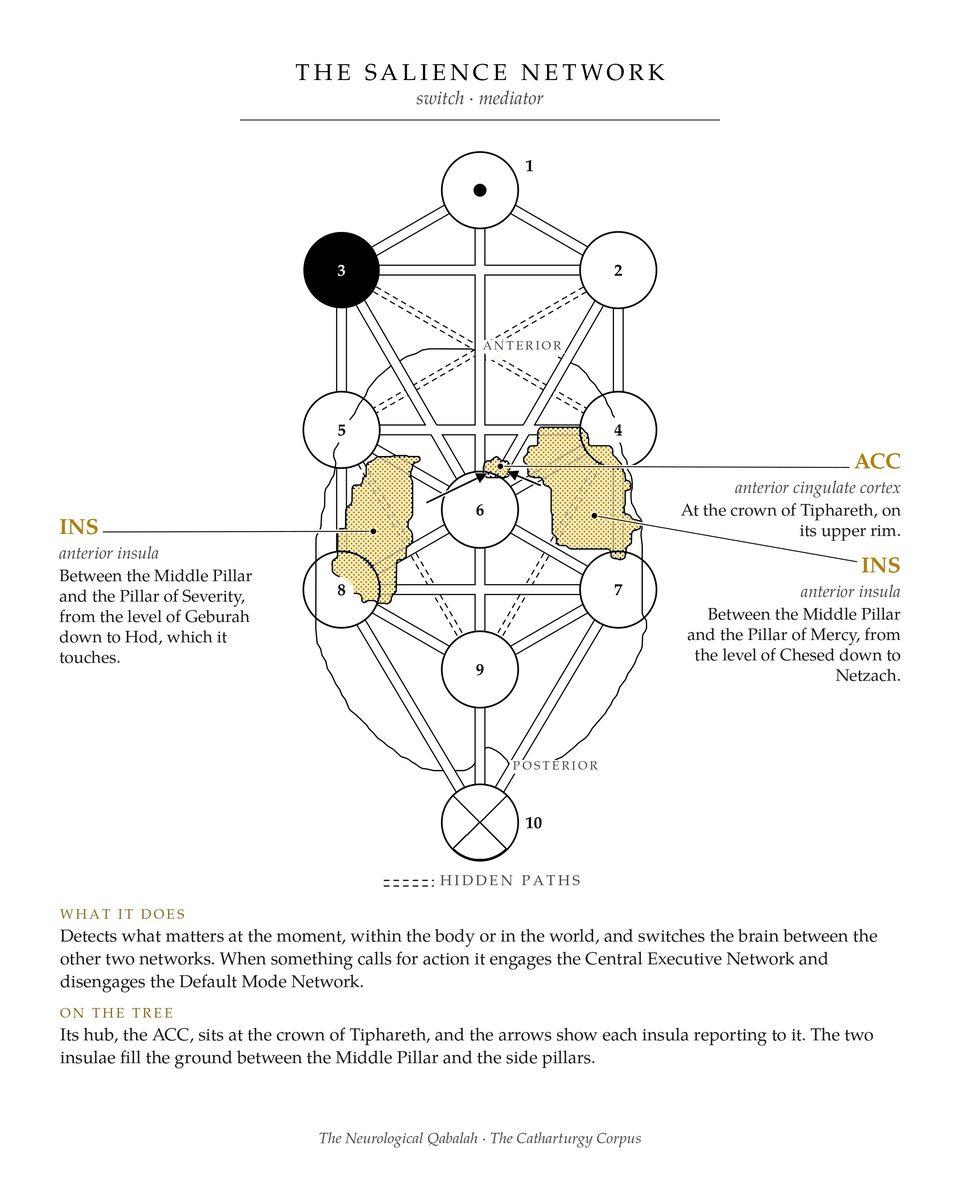
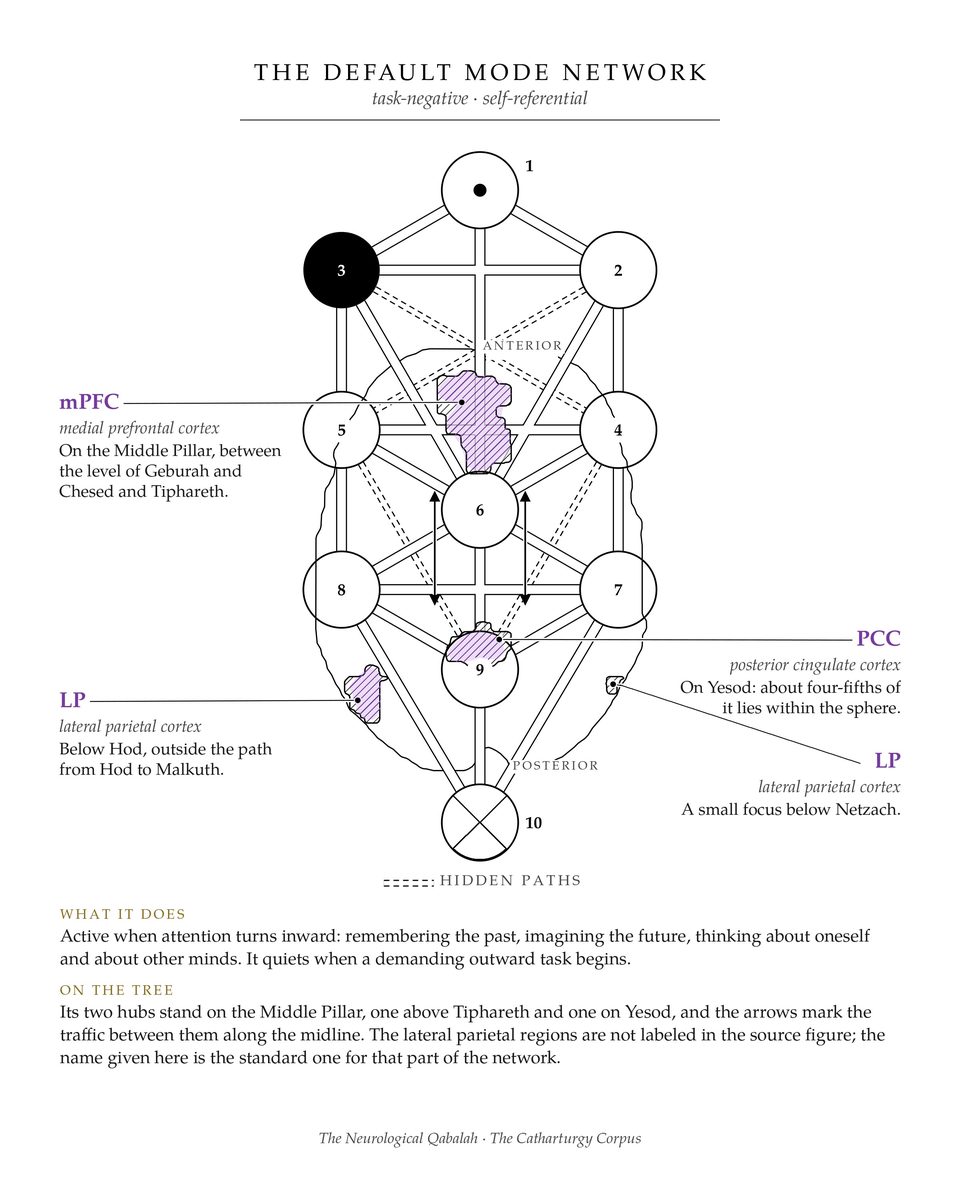
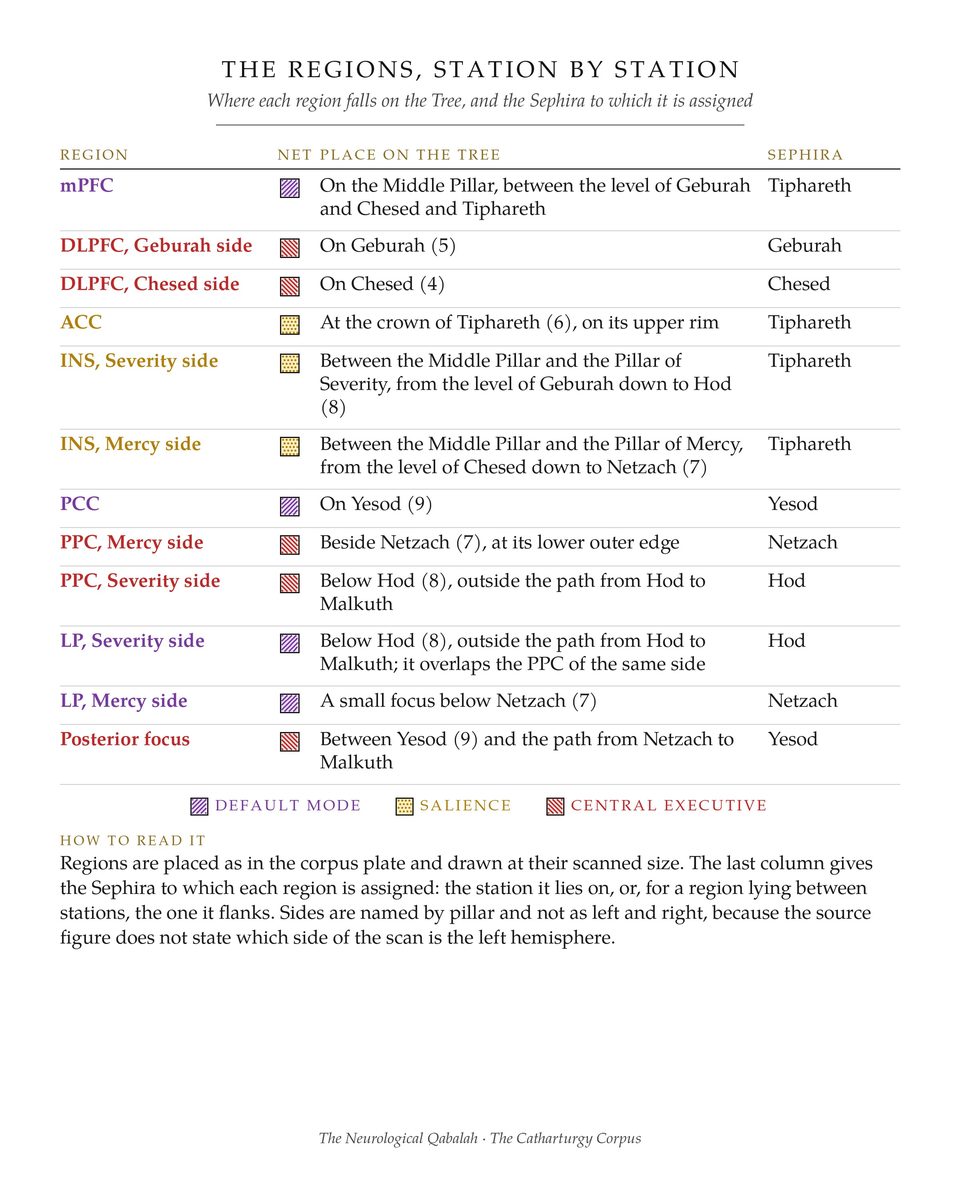
In the Atlas
the tables and figures of this volume on the site